Understanding the fuel policy protects your budget before collection. The fuel gauge sets your starting and return levels. The fuel policy for Nassau car rental forms part of your agreement, as it states who buys fuel and how much you replace it with. Terms vary by location, rate, and company. When you rent a car in Nassau, check it before signing.
You can pay in Bahamian or US dollars because both are equally valued. Carry a payment card and some cash in case a station has limited payment options. Our guide explains fuel options, pickup checks, useful proof, and refuelling before your Nassau car return.
Nassau Car Rental Fuel Policies and How They Work
Your contract records the starting level, return rule, and payment method. Each option changes your cost and proof.
Full-Tank Returns and Local Pump Prices
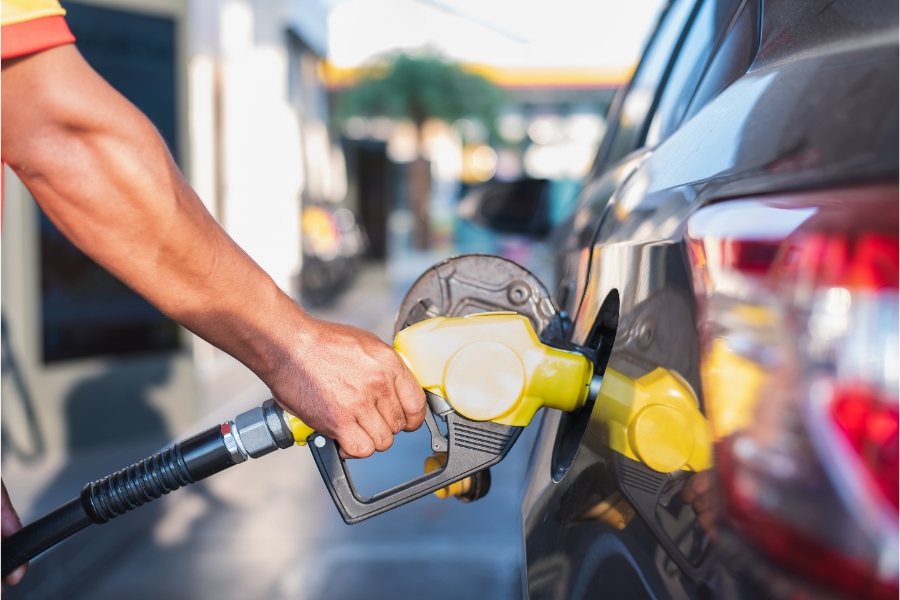
A full-to-full fuel policy means you collect the car with a full tank. Refill it before returning. The fuel policy for Nassau car rental usually allows you to pay standard local pump prices. Company refuelling rates may cost more. Refuel near the return point and keep the fuel receipt. Some agreements require fuel bought nearby, sometimes within 15 kilometres. Choose a station on your route. Photograph the gauge, which may show full after several kilometres.
When you book online with Final Rentals, you can compare car types and fuel terms while enjoying unlimited mileage. Just return the car with the same fuel level recorded at pickup.
Same-to-Same Policies for Part-Filled Tanks
A same-to-same policy requires the recorded pickup level to be one quarter or one half. Check every dashboard segment before driving away. Gauge bars do not show an exact fuel volume, so written records matter. Photograph the gauge with the engine running and the car level. Ask staff to correct agreement errors. Add small amounts and wait for the gauge to settle. Avoid overfilling because car rental companies rarely refund extra fuel.
Prepaid Fuel and Full-to-Empty Options
With prepaid fuel, you pay upfront for the fuel already in the car. You can return it with any amount left in the tank. This saves you from making a final petrol stop, but you usually will not receive a refund for unused fuel.
This option may work better for longer trips. Most drives around Nassau are short, although prepaid fuel can save time before an early flight. Avoid returning the car with an almost empty tank. Fuel warning lights are not exact, so leave enough fuel to reach the return area safely.
Fuel Charges in Your Nassau Agreement
The fuel policy for Nassau car rental should show replacement rates and charges, taxes, invoices, and deposit deductions. Companies may calculate missing fuel by gallons, litres, or gauge sections. Replacement rates can exceed local station prices.
A service charge may cover staff time and handling. Agreements may combine or separate both charges. Prepaid fuel may be added at the time of collection. Check whether taxes and service costs are included. Fuel charges can reduce your refundable deposit. Review the final invoice before leaving, especially after an unattended return. Ask for written figures when the agreement uses broad terms.
How to Check Your Fuel Policy During Car Pickup
Compare the counter explanation with your voucher. Your written fuel terms should match the dashboard and return instructions.
Confirm the Required Return Level
Ask staff to show the return level in writing. Do not rely on a spoken explanation. Request a written correction when the gauge differs. Confirm whether every bar must remain visible. Ask about after-hours return steps. Record the staff member’s name, pickup time, and registration.
Record the Gauge Before Leaving
Photograph the dashboard before moving the car. Include the gauge and mileage while safely parked. Use a timestamp and a straight angle without glare. Keep every gauge mark visible. Photograph the car’s pickup location. Save both images online or send them to a travel companion. Fuel gauges are not calibrated measuring tools. Pictures support the signed agreement but do not replace it.
Check the Correct Fuel Type
The fuel policy for Nassau car rental should name the correct fuel type. Nassau schedules cover lead-free petrol and ultra-low-sulphur diesel. Read the filler cap, fuel-door label, and handbook. Do not choose by car size. SUV rentals in Nassau may use petrol or diesel. Ask when labels seem unclear. Wrong fuel can damage the engine, so don’t start it after filling incorrectly.
Review Refuelling Fees and Currency
Check whether the agreement applies a fuel charge, service charge, or both. Retail schedules use the US gallon. One US gallon equals about 3.785 litres, not an imperial gallon. Pump prices include VAT. Service charges follow your signed agreement. Bahamian and US dollars share equal value. Your card company may still add an international transaction charge.
Tips for Refuelling Before Returning Your Car in Nassau
Plan the station, timing, and final route early. The fuel policy for Nassau car rental specifies the required proof of return.
Fuel Stations Near Nassau Airport and Tourist Areas
Lynden Pindling International Airport lies west of Nassau. Refuel before the final return area because desks may lack public pumps. Search maps for gas stations near Nassau Airport before leaving. Windsor Field Road and Carmichael Road have fuel stations along the main western routes. Cable Beach travellers can check West Bay Street, which links the resort area with the airport.
From downtown or Paradise Island, check East Bay Street near Harbour Bay, Mackey Street, and Shirley Street. Hours may change during holidays, storms, or maintenance. The airport operates continuously, but services keep separate hours.
Choose the Best Refuelling Time
Refuel before your final airport approach. This gives you time for traffic, queues, or a closed first choice. Allow time for baggage checks and airport procedures, especially for international flights. After refuelling, find the return lane and photograph the final gauge. Follow the stated distance rule in your agreement. Some companies request a receipt from within 15 kilometres.
Keep Receipts and Final Gauge Photos
Your receipt should show the date, time, station location, and the amount paid. Keep it until the final invoice arrives. Photograph the receipt because heat-sensitive paper can fade. A digital copy is easier to send during a dispute.
Photograph the final fuel gauge, mileage, and registration near the return point. Take another picture in the official return area. Companies may request receipts and gauge photos. Keep the signed return report. For unattended returns, photograph the parking spot and the key drop time.
Understand Charges for Missing Fuel
When the car's level falls below the required level, staff may estimate the missing amount from the final gauge reading. A replacement price and service charge may cost more than filling the car yourself.
The company may charge your card or reduce your deposit refund. Check fuel, service, and tax entries on the invoice. Your agreement explains disputes. Send your receipt, dashboard photo, agreement, return report, and rental number. Extra fuel usually receives no credit under the same-to-same or prepaid terms. Avoid filling well above the required level.
Takeaway
The fuel policy for Nassau car rental should give you clear control over returns. Match the gauge, use the correct fuel, and keep written proof. These steps matter more than choosing a low daily rate with unclear terms.
Rent a car in Nassau with Final Rentals to receive unlimited mileage and include Third Party Liability. Drivers aged 25 to 75 pay no young or senior surcharge, subject to licence rules. Book and manage your car rental at any time. Download the Final Rentals app on Google Play and the App Store.
Frequently Asked Questions
What is the best fuel policy for Nassau car rental?
A self-refuelling option usually gives you the best control over your total fuel cost. You buy fuel at a local station and return the car at the agreed level. Check whether the agreement requires a full tank or the same pickup level. Also, review any service fees, fuel rates, and receipt rules before signing.
Do you need to return a Nassau rental car with a full tank?
You only need to return the car with a full tank when your rental agreement says so. Some Nassau rentals use a same-to-same policy instead. This means you return the car with the fuel level recorded at pickup. Check the dashboard, take a clear photo, and ask the staff to correct any wrong readings before you leave.
What happens if you return a Nassau rental car with less fuel?
The rental company may charge you for missing fuel if the car is returned with the fuel level below the required level. It may also add a refuelling service fee. These charges can cost more than buying fuel yourself. Keep your final receipt and dashboard photo. They can help if the recorded fuel level or the final invoice appears to be incorrect.