Exploring Nassau by car shows you two distinct sides of New Providence. Along the west, major beaches and resorts lead towards quieter coastal areas. The east brings more history, residential neighbourhoods, and a closer look at local life beside the waterfront. If you rent a car in Nassau, you can plan each side around your own stops and timing. Our guide compares both sides, key stops, driving conditions, and the best route for different travel plans.
The main differences are distance, traffic, parking, and the number of visitor stops along each route. West Nassau is closer to the airport, while the eastern coast needs a longer drive across the developed city area.
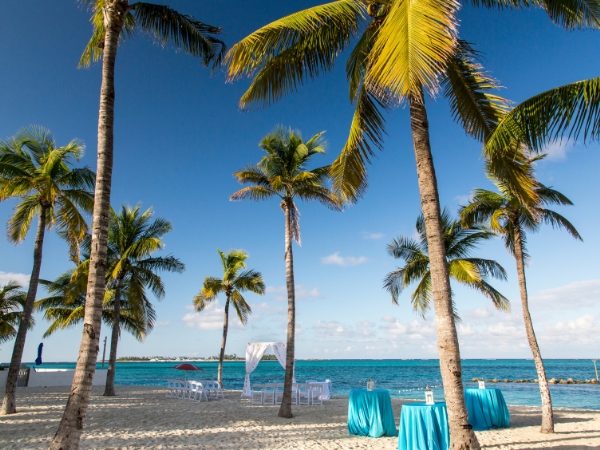
The western side is Nassau's more familiar visitor corridor, especially around Cable Beach and West Bay Street. Large hotels, resorts, beaches, and visitor services are grouped along the same general coast. Some of the major resorts are located in this area.
Farther west, the surroundings shift from large resorts towards a quieter coastal setting. Love Beach is on the north-western side of New Providence and is less developed than Cable Beach. An extensive protected coral area offshore also makes it popular for swimming and snorkelling.
The wider route continues towards Clifton Heritage National Park in south-west New Providence. The 208-acre park combines beaches, coastal scenery, trails, historic structures, and archaeological remains. Its history covers Lucayan, Loyalist, and African heritage, so the west offers much more than resort beaches.
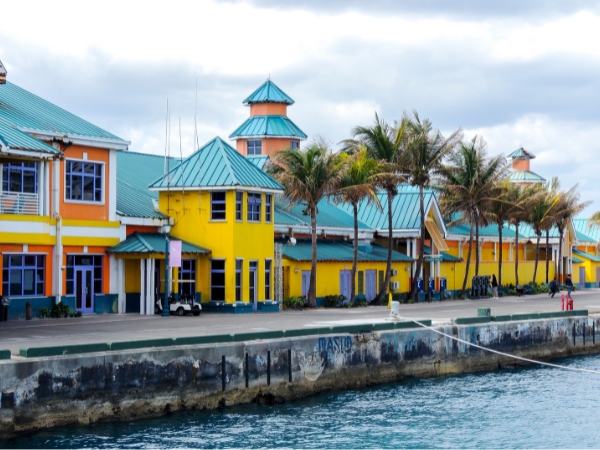
East Nassau begins to change soon after you pass the central area. Fort Montagu is a useful first stop on the eastern waterfront. The limestone fort dates from the 18th century, while nearby Montagu Beach offers another coastal stop.
Farther east, you see more homes, local businesses, and residential areas instead of large resort complexes. Famous attractions are also more spread out than they are in western Nassau. You spend more of the drive seeing everyday neighbourhoods and the coastline beyond the busiest visitor districts.
The eastern side gives you harbour views, a more local setting, and fewer large tourist areas. Choose it when the drive itself is part of your day. Travelling in Nassau by car helps you stop without following a fixed sightseeing route.
Lynden Pindling International Airport (NAS), is on the western side of New Providence. The airport is closer to Cable Beach, Love Beach, and other western areas than eastern Nassau. You can therefore start a west-side route without first crossing the main city districts.
An eastbound drive takes you farther towards central Nassau before you reach Fort Montagu and the eastern waterfront. Fort Montagu is around 1.6 kilometres east of the city centre. From the airport, however, you cross much more of Nassau's developed area to reach it.
Keep some extra travel time in your plan rather than relying on a fixed driving time. Traffic around central Nassau can slow an eastbound trip. A western route requires less cross-city driving, which is useful on arrival or departure days.

Planning each side as a separate driving route makes Nassau by car easier to organise. Arrange stops by location, then use clear navigation and sensible timing to avoid unnecessary backtracking.
Start around Cable Beach and follow West Bay Street towards the western side of New Providence. This road connects central Nassau with several major visitor areas along the coast. Continue west towards Love Beach, then follow local roads around the island's north-western edge. Navigation is useful here because West Bay Street does not connect directly with every stop farther south.
From there, turn towards the south-west and continue to Clifton Heritage National Park. Clifton is worth a longer stop because you can explore trails, historic remains, wetlands, dunes, and coastal landscapes. Plan enough time to park and walk rather than treating it as a quick roadside stop.
Begin at Fort Montagu on the eastern side of Nassau Harbour. The present limestone fort dates to the 1740s and offers a natural starting point outside central Nassau. From Montagu, continue towards Eastern Road and the communities farther along the coast. Residential streets, smaller businesses, and local neighbourhoods gradually become more noticeable as you move east.
The route is less about moving between major attractions and more about seeing another side of the city. You can watch the surroundings change as central Nassau gives way to established residential areas.
When driving around Nassau, remember that traffic moves on the left side of the road. Give extra attention at junctions, roundabouts, and after every turn. Place your car back on the left before continuing. Check your mirrors before changing lanes or moving around parked cars.
The West has more obvious visitor stops, but hotel entrances, beach access, and changing traffic still need attention. Plan your stops to avoid unnecessary turns. Exploring Nassau by car is easier when your route follows the coast rather than crossing the same area several times.
The east needs careful driving through residential areas and local access roads. Watch for property entrances, parked cars, and people entering the road. Check parking rules at each stop instead of assuming roadside parking is available. Save your next destination before moving off and keep offline maps as a backup.
Book your car rental through Final Rentals for more freedom on both sides of Nassau. Your booking includes unlimited mileage and Third-Party Liability, and you can choose a car type that fits your group. Those inclusions are useful when your day covers several stops across New Providence.

Your choice depends on your travel priorities, accommodation location, available hours, and planned stops. West Nassau makes attraction-to-attraction planning simpler, while the east is better for a less structured coastal drive.
West Nassau works well when you want a straightforward route with several recognised stops. The main West Nassau attractions are also positioned along one side of New Providence.
Staying in western Nassau makes the route even simpler. You can organise your day geographically instead of returning towards downtown between stops. The area is also practical after landing at the airport. NAS Airport is on the western side, so you can begin exploring without crossing central Nassau first.
Choose the east when you want a less structured drive through residential parts of Nassau. The main East Nassau attractions begin around Fort Montagu before the route becomes more neighbourhood-focused.
You pass more homes and smaller local businesses as you continue along the waterfront. That change gives the route a different character from Nassau's major visitor districts. Explore the east after you have already explored central and western Nassau. Exploring Nassau by car then gives you another perspective on how New Providence changes beyond its busiest areas.
You can visit both sides in a full day if you keep your stop list short. However, west and east are separated by Nassau's central districts. Repeated cross-town driving can take time away from sightseeing. A better option is to divide the island into geographic clusters and explore one side at a time.
Use one outing for the western route towards Clifton, then save Fort Montagu and Eastern Road for another drive when possible. Each route then has a clearer direction and less backtracking. If you only have one day, begin near your accommodation and choose a few worthwhile stops.
Exploring Nassau by car is less about covering every road and more about choosing one side for the day. West Nassau gives you stronger beach and heritage combinations, while East Nassau shows you more residential waterfront areas. Neither route needs a long checklist to feel worthwhile. Pick a few places, follow the coast, and spend longer where the setting interests you most.
Rent a car in Nassau with Final Rentals and plan each side of your trip around your own schedule. You get a 2-hour grace period for late pick-ups and a 1-hour grace period for late returns, giving you some breathing room if your travel plans shift. Book and manage your car rental anytime. Download the Final Rentals app on Google Play and the App Store.
For most first-time visitors, West Nassau is easier because major beaches and visitor areas are grouped west of downtown. It is also closer to the airport, which can reduce cross-city driving. Choose East Nassau when you prefer residential waterfront scenery and a quieter drive with fewer headline attractions. Your best choice depends on where you are staying and what you want to see.
Yes, you can cover both in a full day, but traffic and longer sightseeing stops can affect your timing. Separate outings are usually more comfortable when your schedule permits. Group Cable Beach, Love Beach, and Clifton together, then use another drive for Fort Montagu and the eastern waterfront. If you only have one day, choose fewer stops and keep the route simple.
Traffic in the Bahamas moves on the left, although many cars may have left-hand steering. Check your driving licence requirements before travelling and carry the required identification. Use extra care at junctions and turns, especially if you normally drive on the right. After every turn, make sure you return to the left side before continuing through Nassau.